
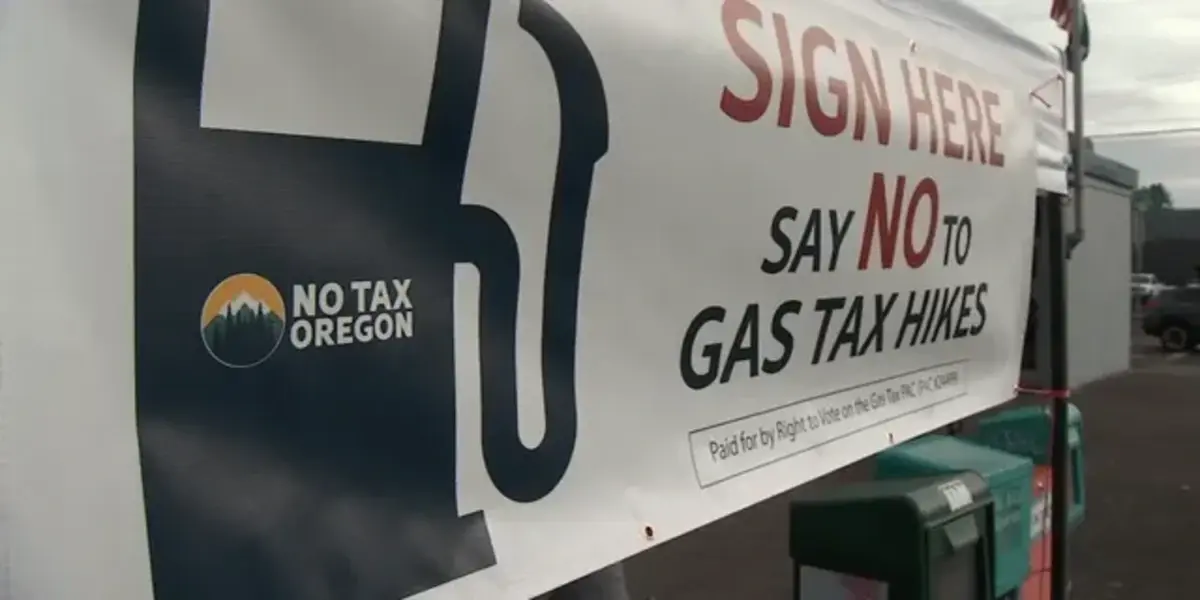
Petitioners have obtained 150,000 signatures to put on the November 2026 ballot a repeal of Governor Tina Kotek’s centerpiece gas tax and vehicle fee hike bill, according to an announcement on Twitter/X by co-petitioner State Rep. Ed Diehl (R-Scio). Seventy-eight thousand valid signatures of Oregon voters are required to put the repeal on the ballot.
Petitioners set an initial goal of 100,000 signatures by the December 30 deadline to insure against some signatures being thrown out as invalid. They blew through that goal and exceeded it by 50% in less than two weeks of collecting signatures. Petitioners were able to begin collecting signatures only after Kotek signed the bill into law, which she did November 7, after waiting a considerable period that opponents and even some fellow Democrats supportive of the tax hike believed was intended to reduce the likelihood of a successful petition drive.

The near certainty a tax repeal will be on the November 2026 ballot presents unprecedented challenges to Oregon’s ruling progressive coalition. A recent poll commissioned by gas tax opponents shows 67% of likely Oregon voters would vote to repeal the tax and fee hike if given the chance.
On that same ballot will appear Kotek herself, all members of the House and half the members of the Senate. Every incumbent state Democrat on the ballot next November supported the tax hike. If a strong majority of Oregon voters continue to support repeal of the tax bill, Democrats on the record supporting the bill will need to convince a big chunk of those voters to vote for them anyway.
Meanwhile, Kotek and her fellow Democrats surely hope Oregon voter opposition to President Donald Trump will overcome headwinds created by the tax repeal. Kotek and her allies have repeatedly hammered Trump’s administration and other policies. With measures tracking education, housing and homelessness and behavioral health, Kotek’s oft-stated priorities, mostly headed in the wrong direction, expect to see more Trump focus.
If they are nervous about the electoral blowback of the tax repeal vote, Democrats could modify or repeal the tax hike on their own during the 2026 legislative session, which begins February 2, 2026. If the legislature passed a bill, signed into law by Kotek, that repealed the tax hike, it would render the November 2026 tax vote unnecessary.
But doing so may not sit well with the Service Employees International Union, which represents state workers and is a key financial backer of Kotek and other Democrats. SEIU took the lead in pushing for the tax hike through a highly reluctant legislature.
The progressive coalition governing Oregon has never before faced such intense, potentially fracturing political pressure from beyond its ranks. How Democrats and their allies respond is likely to determine whether the coalition is materially weaker one year from now.
For more information on this petition effort go to notaxor.com.
This article originally appeared in the Oregon Roundup.